India’s Doping Crisis: A Stain on Sporting Ambitions

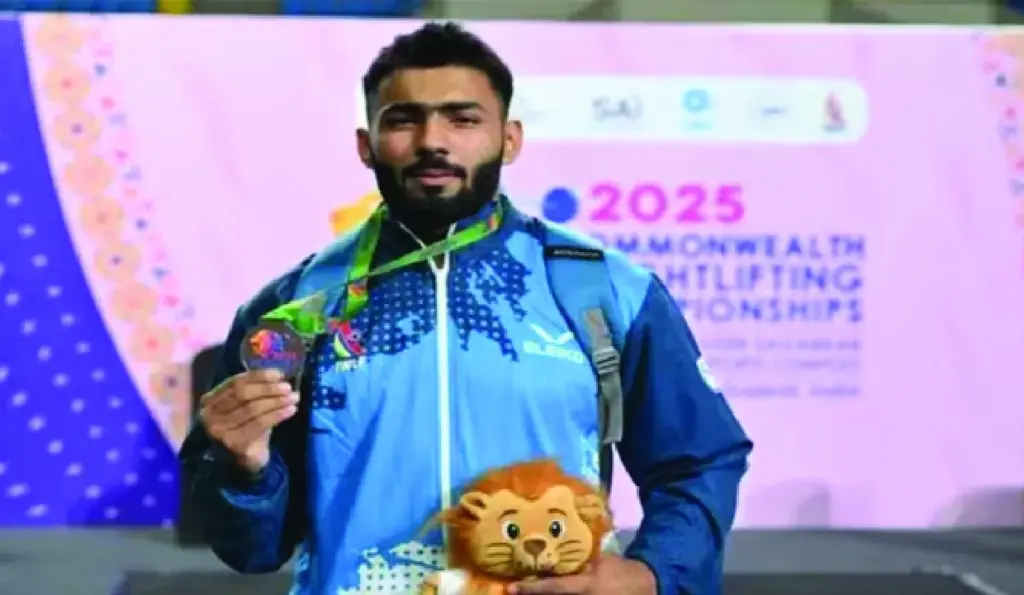
India faces ongoing challenges with doping violations, which are affecting its sporting ambitions and international credibility. Recent incidents have led to significant repercussions, including reduced quotas in major competitions and provisional suspensions for several athletes.
In weightlifting, four athletes—N Ajith (71kg), Sairaj Pardeshi (88kg), Harcharan Singh (110kg), and Vanshita Verma (77kg)—tested positive for banned substances during the qualification period for the Commonwealth Games. These violations resulted in India’s weightlifting quota for the Games being reduced from 16 to 11. Consequently, Dilbagh Singh was withdrawn from the contingent, with a source indicating he was suffering from a back injury and had not trained during the preparatory camp.
Further doping incidents have emerged in other sports. National judoka Arun Kumar, the reigning Taipei Asian Open champion, received a provisional suspension after testing positive for a banned anabolic steroid. Additionally, Olympian and Birmingham Commonwealth Games silver medallist Tulika Maan was provisionally suspended due to three whereabouts failures within a 12-month period.
Widespread doping concerns
The issue of doping in India extends beyond individual cases, raising questions about the country’s credibility in sports. Comparisons with other sporting nations highlight the scale of the problem. For instance, France reported 91 violations from nearly 12,000 tests, Russia had 76 from over 10,500 samples, and China recorded 43 positives from more than 24,000 tests. The United States showed a positivity rate of 1.1%.
In athletics, the situation is particularly concerning, with the Athletics Integrity Unit listing 162 Indian athletes and support personnel under active sanctions. This number is higher than the combined total for Kenya and Russia.
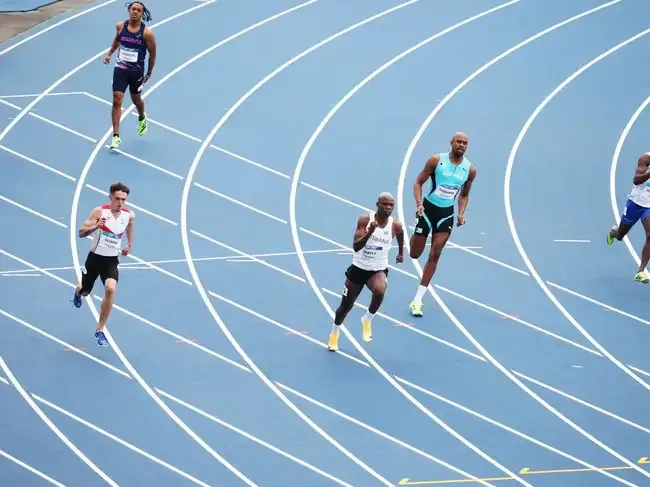
The substances involved in these violations are often familiar. Stanozolol, an anabolic steroid banned under WADA’s S1 category, continues to be frequently detected in Indian anti-doping cases despite ongoing awareness campaigns. This substance, designed to increase muscle mass, accelerate recovery, and reduce body fat, has appeared repeatedly across various disciplines.
Recent athletes who have tested positive include former Youth World boxing champion Vinka, Asian Indoor rowing champion Gursewak Singh, wrestler Shubham, kabaddi player Akash Nathu Disale, and junior sprint athlete Nipam Chauhan. For Chauhan, a positive test for stanozolol could lead to the loss of the silver and bronze medals she won at the Asian Under-20 Championships.
Addressing the doping ecosystem
Recognising that doping is a systemic issue, the government is working to broaden the scope of anti-doping enforcement. At the inaugural conference of WADA’s Global Anti-Doping Intelligence and Investigations Network (GAIIN) in New Delhi, Sports Minister Mansukh Mandaviya discussed proposed amendments to India’s anti-doping law. These amendments aim to target the entire ecosystem that facilitates doping, including coaches, doctors, suppliers, and traffickers.
Mandaviya stated that doping is no longer an individual act but an organised multinational enterprise. The proposed legislation includes provisions for prison terms ranging from five to 10 years, along with financial penalties for those involved in administering or trafficking banned substances. Athletes would continue to be addressed under existing sporting regulations.
The minister emphasised India’s commitment to upholding high standards of integrity in addition to achieving sporting excellence. He highlighted that awareness, education, and technology would be central to India’s clean sport programme. The National Anti-Doping Agency (NADA) has nearly doubled its annual testing over the past five years.
Anant Kumar, NADA Director General, noted that while the testing programme has expanded and shifted towards risk-based and effectiveness-driven approaches, testing alone is not sufficient. He stressed the importance of integration, intelligence, and education as core components of the anti-doping framework.
Education and institutional challenges
Many within Indian sport believe that education and awareness, rather than solely punishment, will bring about lasting change. Olympic champion Neeraj Chopra, who launched the ‘Clean Sport’ initiative through the Neeraj Chopra Foundation and the Indian Olympic Association, suggested that many violations stem from poor guidance rather than intentional cheating. Chopra explained that athletes often lack access to accurate information regarding supplements, medications, and anti-doping rules, leading to potential mistakes that jeopardise years of effort.
National gymnastics coach Manoj Rana echoed this sentiment, stating that while Indian sport has made significant global progress, rising doping violations tarnish these achievements. He argued for stronger prevention measures in addition to stricter punishments.
However, the current anti-doping system is not without its critics. Sports medicine expert Dr PSM Chandran acknowledged that cheating is indefensible but raised concerns about the scientific and ethical aspects of the current framework. He argued that doping control, in its present form, adheres rigidly to the WADA Code while sometimes disregarding evidence-based medicine, proportionality, and natural justice. Chandran also questioned whether every positive test necessarily translates into a measurable competitive advantage, suggesting that without such evidence, the claim of universal performance enhancement by banned substances remains a belief rather than scientific fact.
Despite expanding anti-doping efforts, India faces a funding paradox. The Union Budget saw reduced allocations for both NADA and the National Dope Testing Laboratory (NDTL). NADA’s allocation decreased from ₹24.30 crore to ₹20.30 crore, and NDTL’s revised allocation declined from ₹28.55 crore to ₹23 crore. These reductions raise questions about the ability of India’s anti-doping infrastructure to strengthen at a time when greater investment is needed.
Source: economictimes.indiatimes.com
 Priya Menon
