France: A Land of Freedom and Innovation

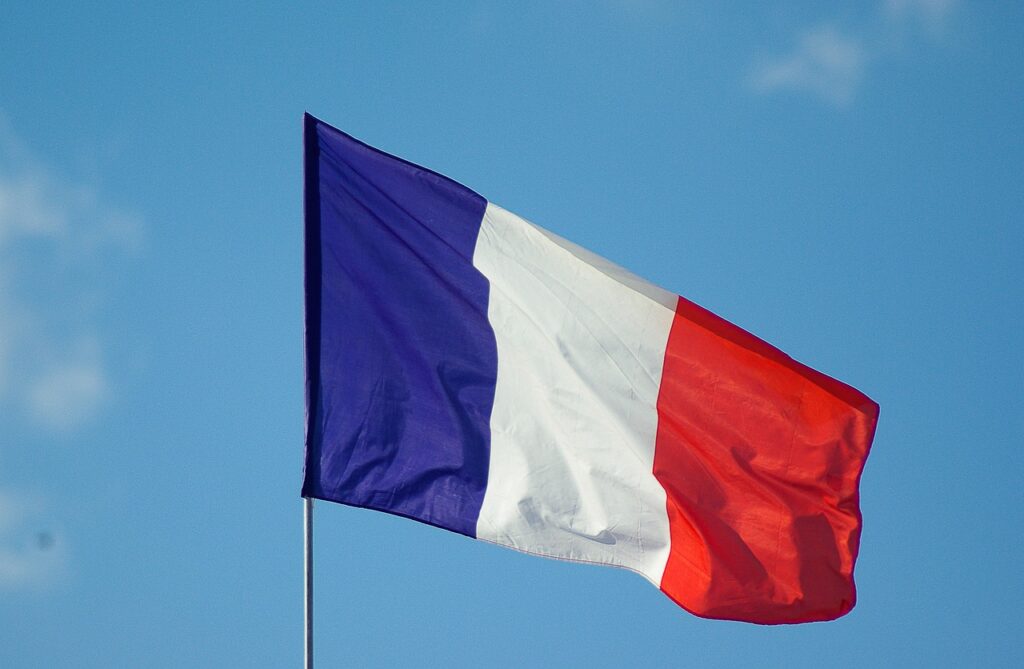
France is a nation of freedom and independent thought, a birthplace of some of humanity’s most remarkable innovations, and the origin of high fashion, delightful cuisine, and viticulture.
Here, cinema and aviation were pioneered, alongside the guillotine and women’s hosiery. The people in this nation excel at singing and making jokes. Additionally, the French language is regarded as the second most beautiful globally. Bienvenue en France!
Overview
Those who think of France as solely a European nation are quite mistaken. While a significant portion of its territory is located in Western Europe, numerous overseas territories and departments have been part of France since the era of monarchy. These primarily consist of islands, but there is also a territorial collectivity in Latin America known as Guiana. It stands as the largest overseas region of France.
Historical Context
The history of France spans approximately 1,500 years, marked by periods of both decline and prosperity, along with political intrigues, religious conflicts, European wars, and three significant revolutions. Initially, this region was inhabited by the Gauls and Iberians. It later became part of the Roman Empire, which was annexed by Julius Caesar during the Gallic Wars.
In the 5th century, the Franks, under the leadership of King Clovis, seized control of Gaul. His primary initiative was to establish the Kingdom of the Franks.
He achieved this objective to a degree, yet authority gradually shifted to the palace mayors known as majordomos (household managers). The successors of these new leaders, Pepin the Short and Charles the Great, managed to maintain their influence and formed a powerful state that spanned southern and western Europe.
The 9th century marked the beginning of the empire’s decline. Its lands were partitioned among Charlemagne’s sons. One segment fell to Charles the Bald, and a century later, it acquired the name that is recognised globally today – France.
This was followed by a series of conflicts with the Vikings, who established their own duchy of Normandy in the northern region of the nation. After confronting the Scandinavian invaders, a series of internal religious conflicts and crusades abroad ensued.
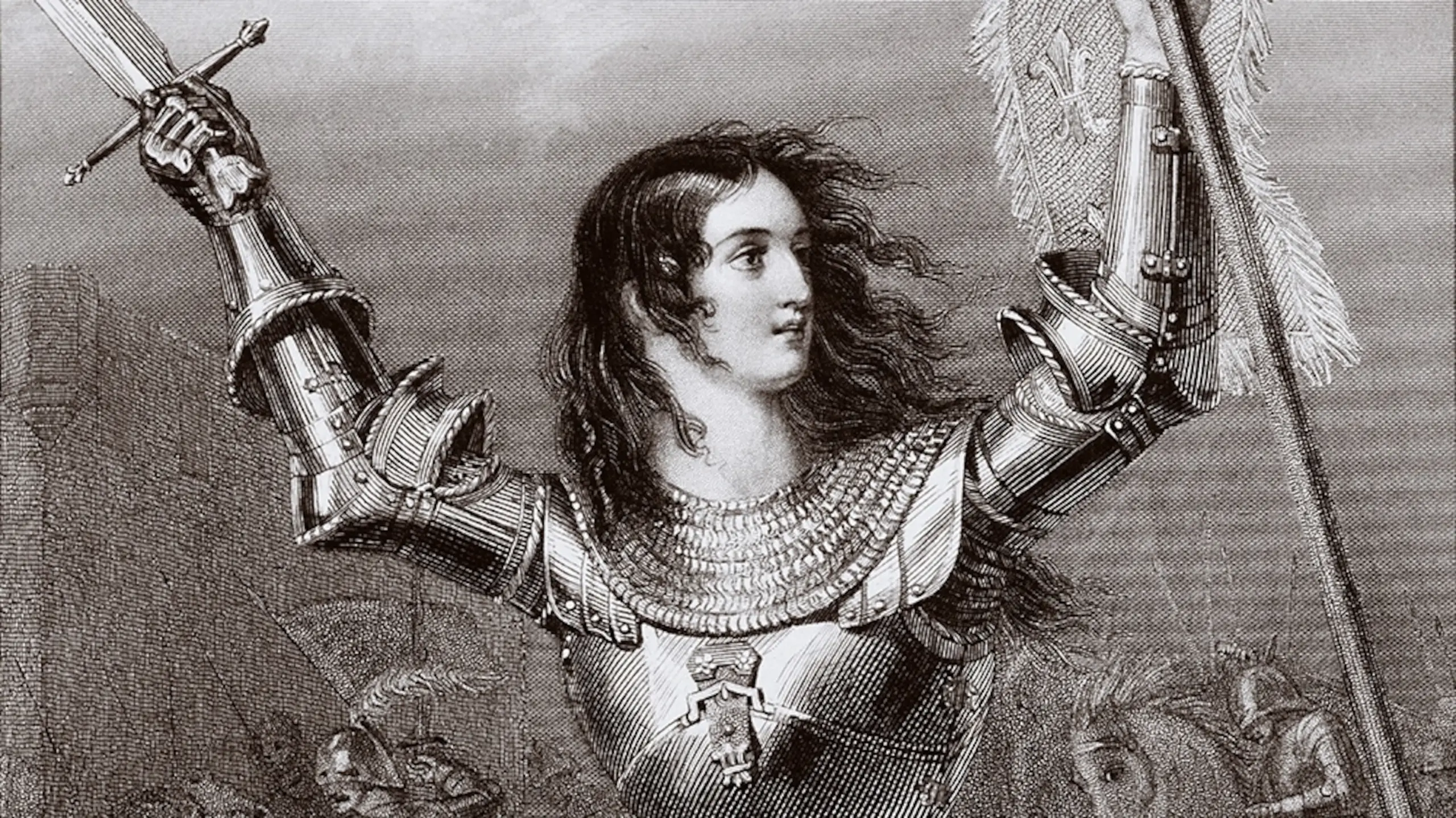
Consequently, the Kingdom was fragmented, leaving behind numerous weak duchies and counties. The House of Valois rose to power. The Hundred Years’ War with England initially appeared to favour the latter, but the national liberation movement spearheaded by Joan of Arc culminated in a victory for the French forces.
Eventually, peace was restored in the war-ravaged nation, paving the way for the establishment of an absolute monarchy. Louis XI became the first king of the revitalised country. Under his rule, France began to assert itself as a formidable state with aspirations for global leadership.
The religious conflicts gradually came to a close in the 15th century. However, two centuries later, the nation faced further wars under various monarchs. Internal strife and conflicts in Europe arose due to disputes over different territories and inheritances.
In 1789, France’s political, economic, and social structures faced a significant upheaval. This marked the onset of the French Revolution. The monarchy as a governing body suffered a significant defeat and was replaced by the first republic. Throughout French history, there have been four additional republics: 1848-1852, 1870-1940, 1946-1952, and from 1952 to the present day. A new constitution was adopted during each of these periods.
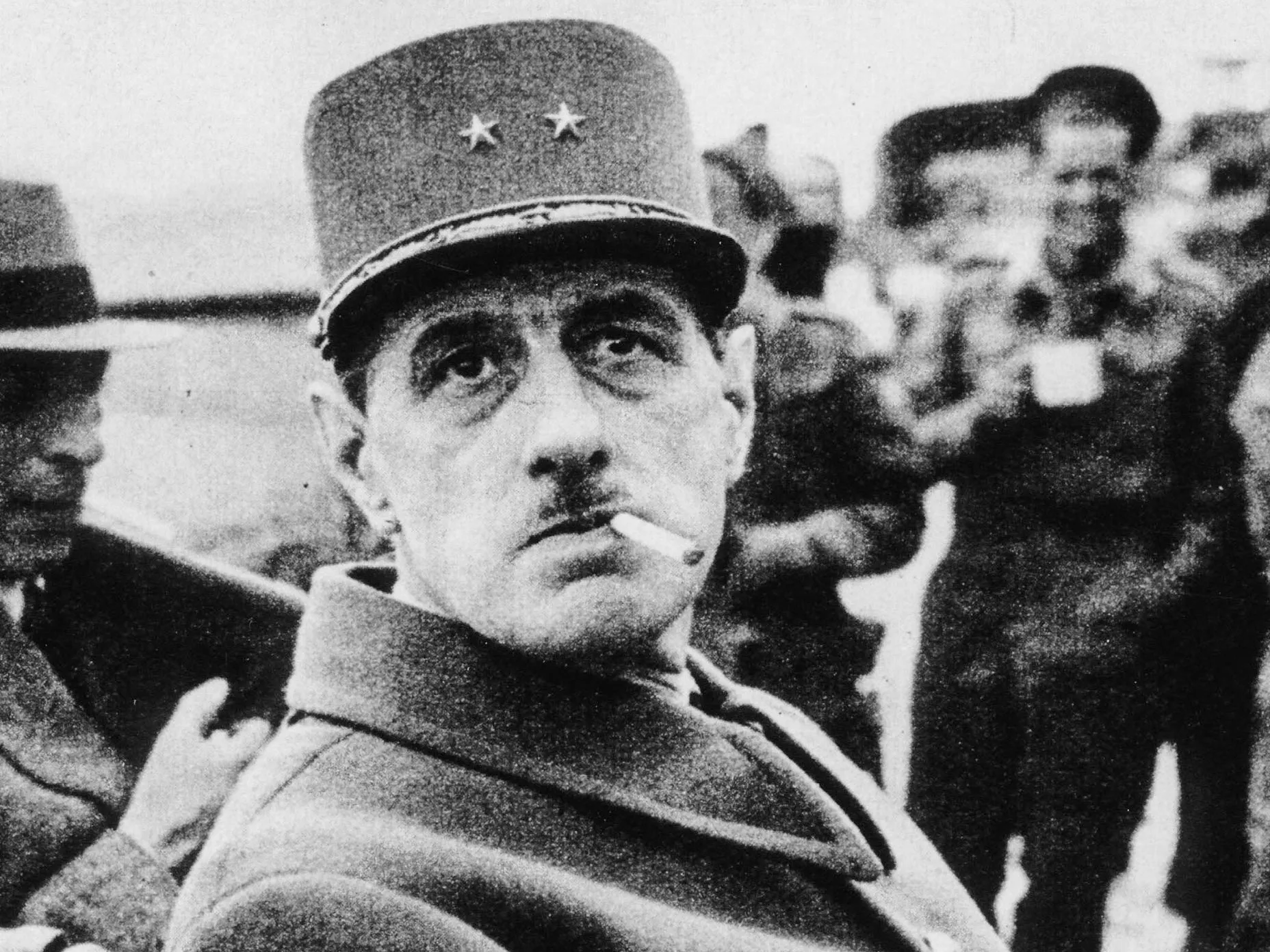
The current fifth republic was founded by Charles de Gaulle, a renowned general and hero of the Resistance Movement. He remains a significant national leader and historical figure for the French people to this day.
Today, France stands as a large European nation, a nuclear power, and a founding member of the European Union. It is also a participant in NATO and holds a position on the UN Security Council.
Geography and Climate
France shares its borders with Belgium, Germany, Luxembourg, Switzerland, Monaco, Italy, Spain, and Andorra. The boundary between the UK and France is maritime.
The nation is also adjacent to the Atlantic Ocean, as well as the North and Mediterranean Seas, and the English Channel.
The climate of the country cannot be described as uniform. It typically varies based on the geographical positioning of the areas. The western part of France experiences an oceanic climate characterised by cool summers, mild and rainy winters, along with high humidity and cloud cover.
The southern region of France has a subtropical climate, featuring hot and dry summers alongside mild winters. A continental climate is generally found in the central and eastern regions, where summers are hot and dry, while winters are cold with limited precipitation.
Demographics, Language, and Currency
The population of Metropolitan France is approximately 67 million individuals. Over 2.6 million live in the overseas territories and collectivities. Paris serves as the capital with a populace of 2.5 million. The most populous cities include Marseille (900,000 individuals), Lyon (506,000 individuals), and Toulouse (475,000 individuals).
Determining the precise ethnic makeup of the nation is challenging due to the unique interpretation of ‘nationality’ in the French Constitution, which refers to citizenship. Consequently, there is currently no information available regarding ethnic composition, as it is not systematically collected or analysed.
The official language of France is French, although it is not universally spoken. Regional languages are prevalent in various areas. For instance, the Bretons communicate in Breton, while the Flemish community uses Flemish. In Alsace, which lies along the French-German border, the German language is quite prevalent. Additionally, French is spoken in Corsica, albeit with Italian dialect influences.
The euro serves as the official currency of France. A Schengen visa is required for entry into the country.
Getting Here
There are various ways to reach France from other European nations. The primary method is by air travel, with the typical cost for a round-trip ticket within Europe being around €200.
Seasoned travellers might opt for flights with layovers or take advantage of budget airlines.
An alternative is to join a guided bus tour arranged by a travel agency, which tends to be more economical.
Accommodation
Be prepared for considerable costs even if your stay in France is brief. The expense of residing in the country is quite high, particularly in the hospitality sector.
First-time visitors are often surprised by the relatively basic conditions of budget hotels when compared to those in other nations.
A standard room in a French two-star hotel is usually a small area with minimal amenities, priced at €35 – €40 per night. When selecting a more upscale hotel, it’s important to consider local standards. A three-star hotel in France is comparable to a four-star hotel in Italy or Germany, with rates approximately double at €70 – €80.
Consequently, the typical cost for a room in a four-star hotel in France hovers around €100.
Interestingly, there is a limited number of five-star hotels in France, with only about 30 available to cater to millions of tourists annually.
Here are a few examples of affordable hotels:
- Lemon Hotel Tarascon resembles a low-cost hostel, offering shared rooms with bunk beds and communal bathrooms on each floor. Free Wi-Fi is available, and pets are permitted.
- Eklo Hôtels Le Mans, located in Pays de la Loire, features rooms with private bathrooms and ironing facilities. Other essential services such as Wi-Fi, parking, and a television may incur additional charges.
- Hôtel Première Classe Roissy Villepinte Parc des Expositions is a two-star chain hotel situated in Villepinte, about an hour’s drive from Paris. Each room includes air conditioning, ironing facilities, and Wi-Fi access, along with an en-suite bathroom.
- Hôtel Pastoral provides both private and shared accommodations in Nice, just a 10-minute stroll from the Marc Chagall National Museum. A communal kitchen is available, and the beaches along the Promenade des Anglais are a 2-km walk away.
- Hôtel Luxembourg is an economical option in Lourdes, Hautes-Pyrénées, offering small yet comfortable rooms with private bathrooms. Breakfast is included in the rate, Wi-Fi is complimentary, and pets are allowed.
If you’re looking to save money, motels and campsites are excellent alternatives. Campsites provide bungalows and tents, costing around €350-€450 per week for a group of five or six individuals.
For those on a tight budget needing a place to sleep and shower for a night, hostels are a viable option. While the conditions may be less favourable than those in one- or two-star hotels, the cost is comparable, not exceeding €12 per night. Breakfast is an additional charge, and some hostels may impose age restrictions on guests.
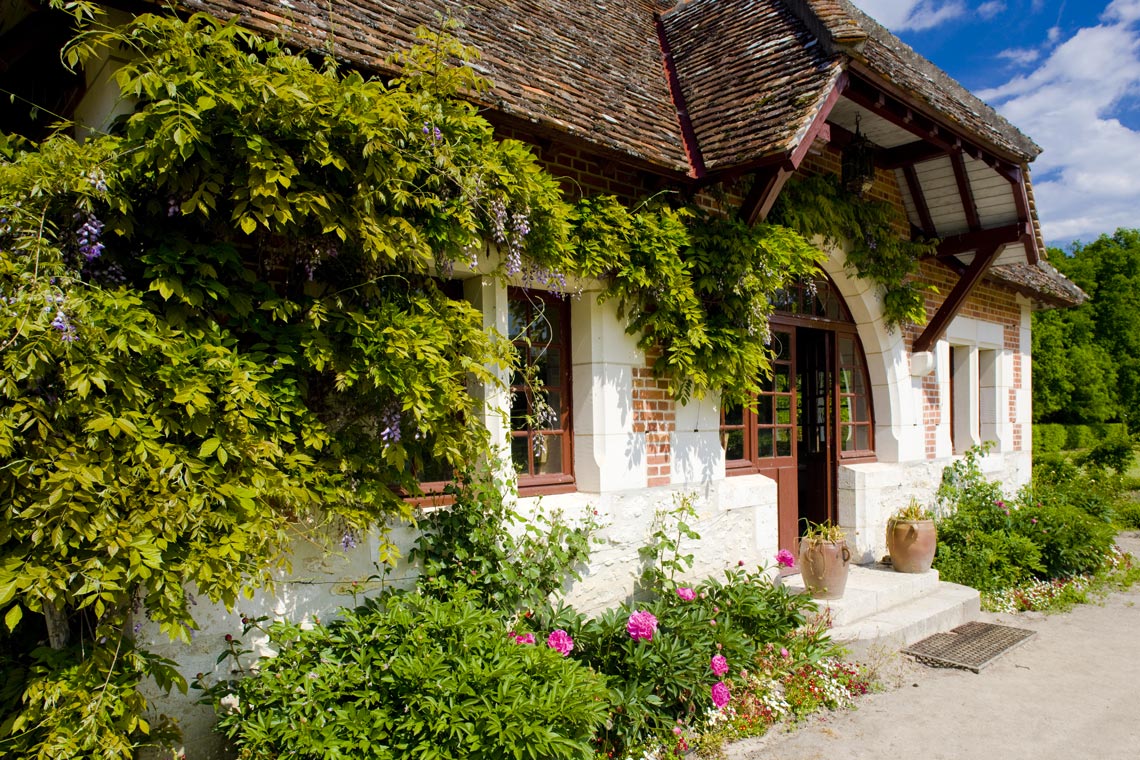
A visit to rural France presents a wonderful chance to experience village life while saving on accommodation. In a village, you might find a room in a chambre d’hôte, a quaint country inn, which offers comfortable lodging with breakfast included. This option is likely to be priced similarly to a room in a city three-star hotel, but with significantly better conditions.
For extended stays in France, a different strategy is needed for apartment rentals. It is advisable to rent properties listed by landlords on rental websites. The initial three nights will cost between €50 – €70 per night, but discounts are often available for longer rental periods. Generally, the longer the rental duration, the greater the discount.
Attractions to Visit
The sightseeing destinations in France are exceptional works of art. Only enthusiastic superlatives are employed to depict this unique ambiance.
Paris
Exploring the neighbourhoods, avenues, and plazas of the French capital allows one to witness a miniature representation of the entire history of France. These names have been familiar to everyone since childhood, even for those who have never set foot in Paris.
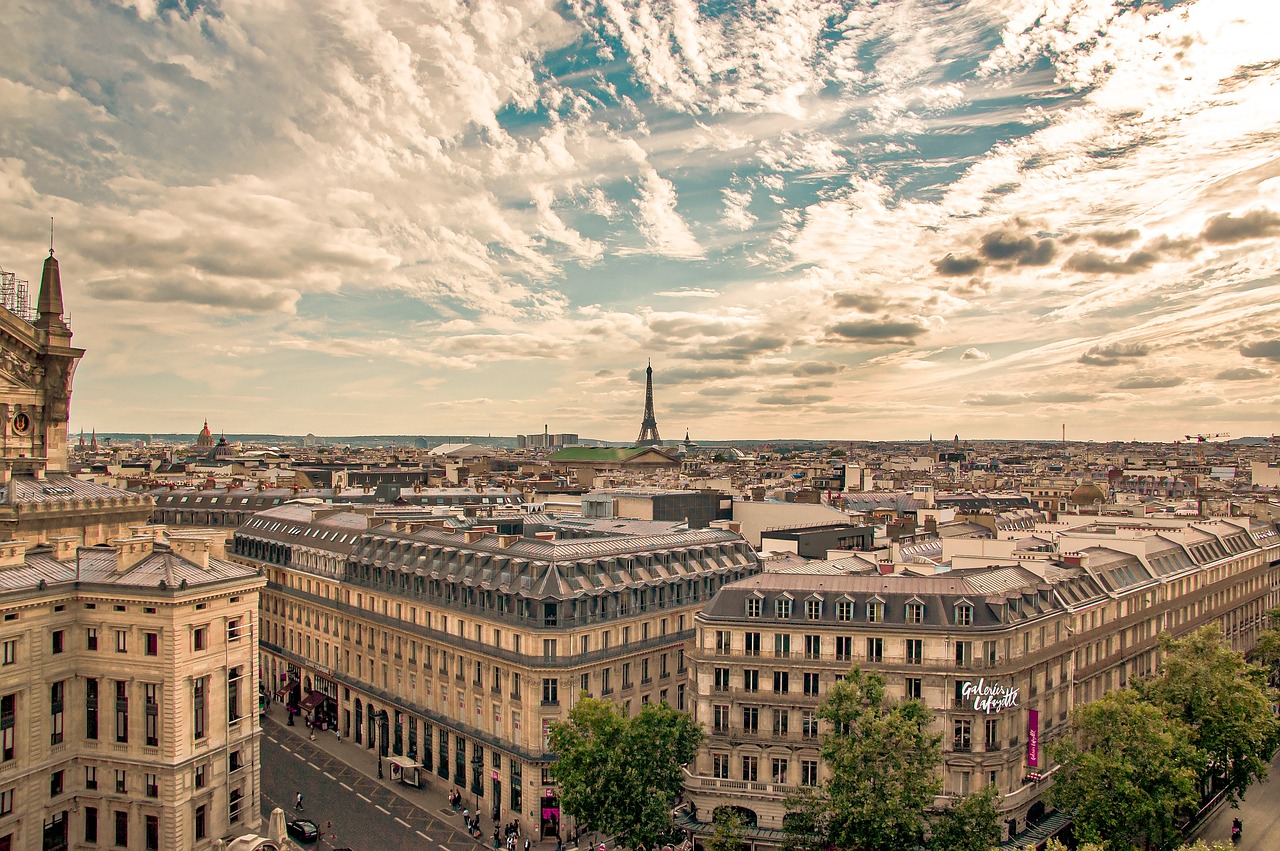
The essence of Paris thrives in the Champs-Élysées, Montmartre, five royal squares adorned with statues of French monarchs and splendid fountains, the charming narrow Medieval Rue de la Huchette, and Rue Crémieux, which shines with a spectrum of colours.
Champs-Élysées
This 2-km long avenue in Paris was established in the 17th century to dry out and enhance the marshy land adjacent to the Tuileries Palace, which was the royal residence at that time. Although the palace was destroyed during the chaotic period of the Paris Commune, the Champs-Élysées has remained the most frequented avenue in the French capital.
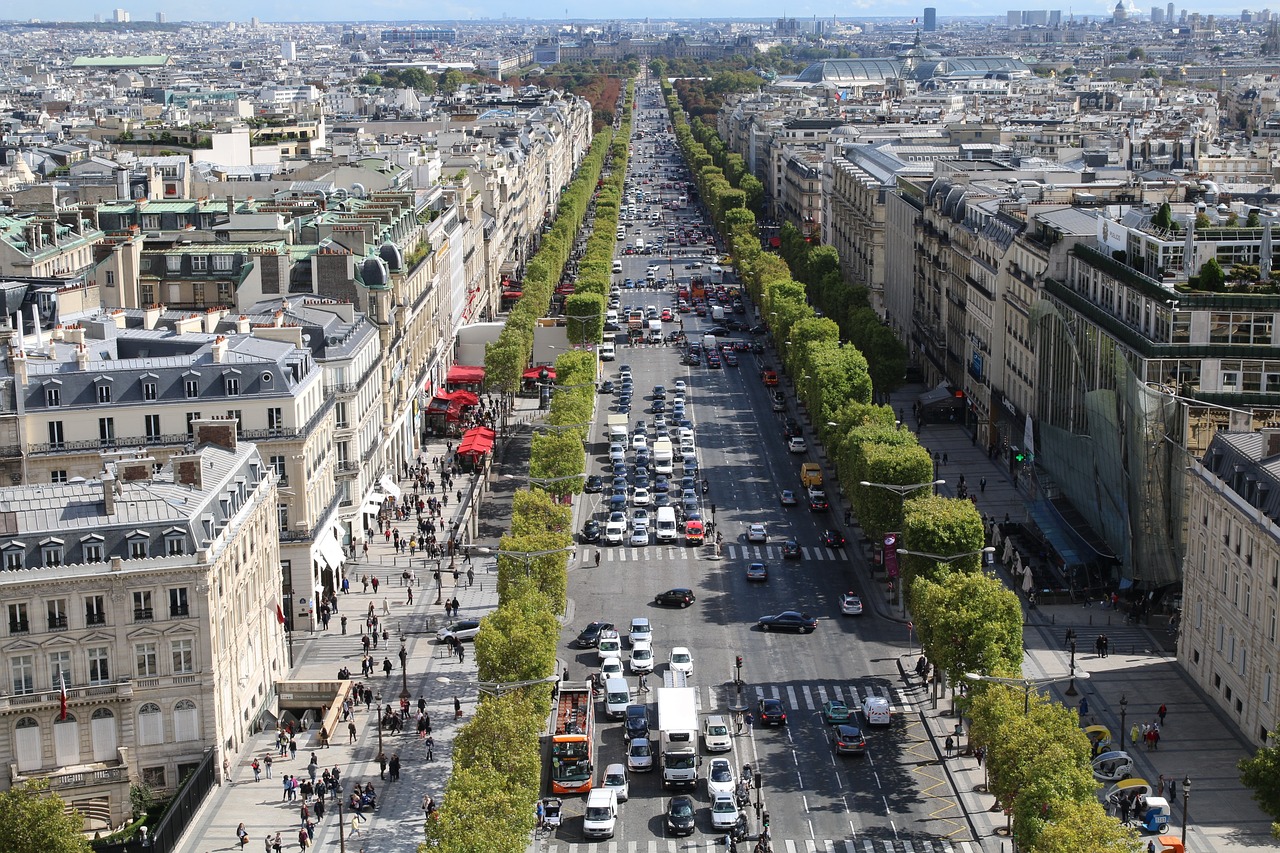
Initially quite short, the boulevard was extended to the Place de l’Étoile (also referred to as the Place Charles de Gaulle) following the Grande Armée of Napoleon’s victory at the Battle of the Three Emperors near Austerlitz. The Arc de Triomphe, created by Jean Chalgrin, stands 50 metres tall and is positioned at the centre. It is the tallest arch of its kind globally.
Currently, the Champs-Élysées links various squares. It also houses the official residence of the French President.
Annually, a military parade takes place on Bastille Day along the main avenue of the nation. Additionally, the route of the national cycling race, Tour de France, inevitably includes a passage through the Champs-Élysées.
Montmartre
Once, it marked the outskirts of Paris, a location chosen by budding artists, writers, and sculptors attracted by the minimal rental costs.
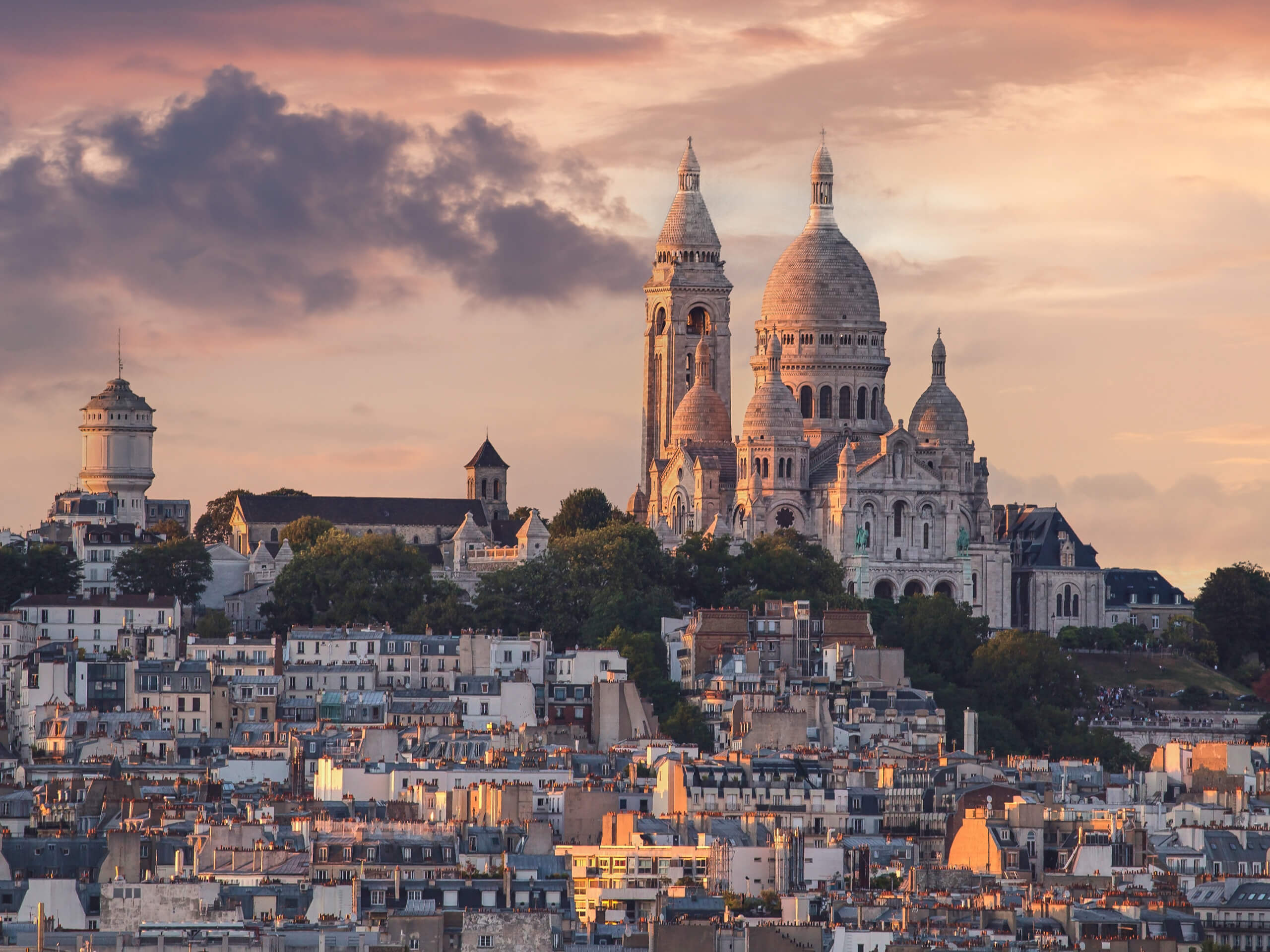
Over time, Montmartre evolved into a bohemian district, characterised by its vibrant atmosphere of creativity and liberation in every aspect. Local cafés and cabarets became well-known as lively venues in Paris where figures like Picasso, Degas, and Renoir would spend their evenings enjoying a glass of wine.
For those interested in exploring Montmartre’s nightlife, the Moulin Rouge is a must-visit, renowned for its captivating performances. However, this experience is intended for adults only, as the area at night can host entertainment options that may not be entirely suitable for all audiences.
Eiffel Tower
The iconic landmark of Paris and the most famous structure in France was not always held in high regard by the locals and visitors alike.
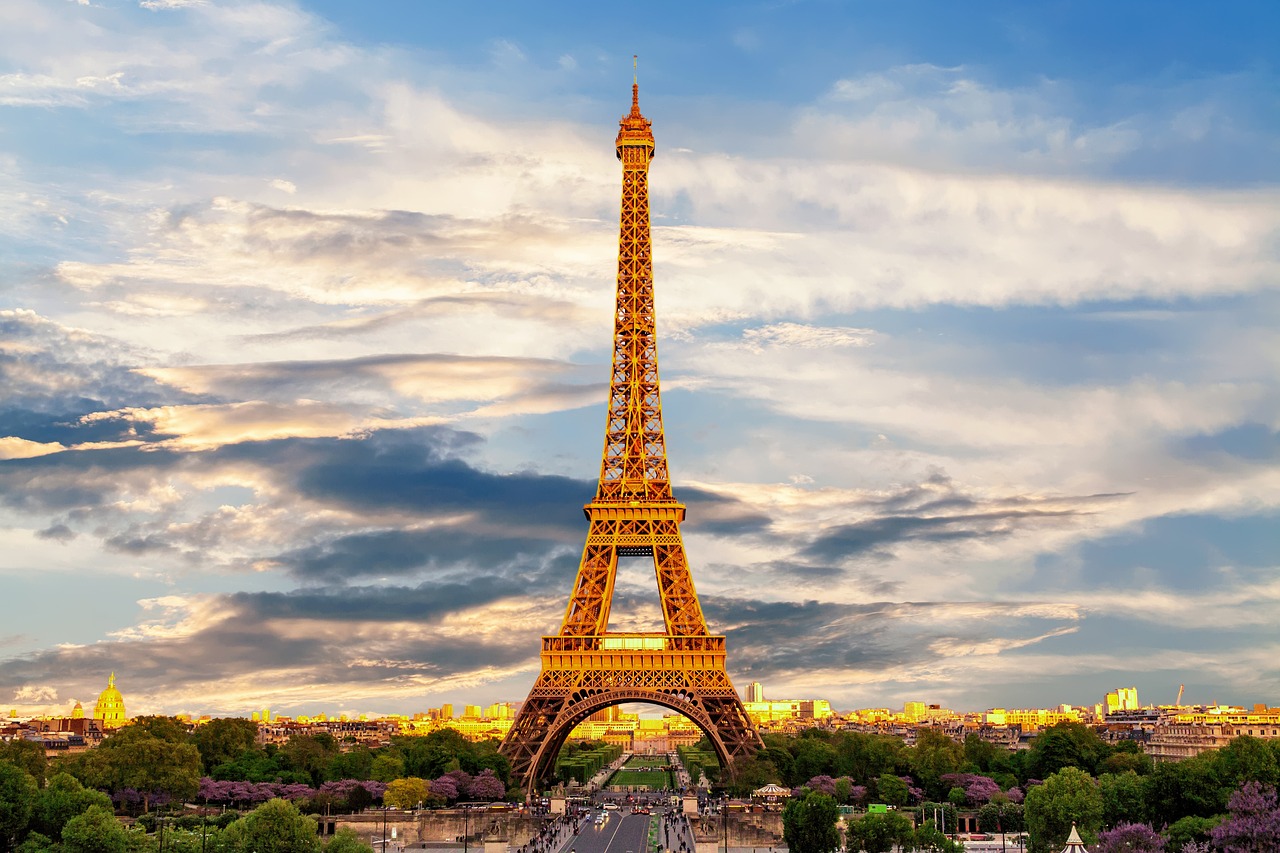
Constructed in 1889, the Tower was initially viewed as a completely out-of-place edifice that detracted from the aesthetic of the city centre.
Complaints from disgruntled citizens went unanswered, leaving them with no choice but to eventually embrace Gustave Eiffel’s masterpiece. Today, the Tower represents not only Paris but also France as a whole. It also boasts the highest visitor numbers among all attractions in the capital.
Museums
The Louvre ranks among the largest museums globally, housing approximately 35,000 exhibits that showcase human artistic achievements from ancient times up to the mid-19th century. Additionally, numerous masterpieces from the finest artists in history are stored in its collections.
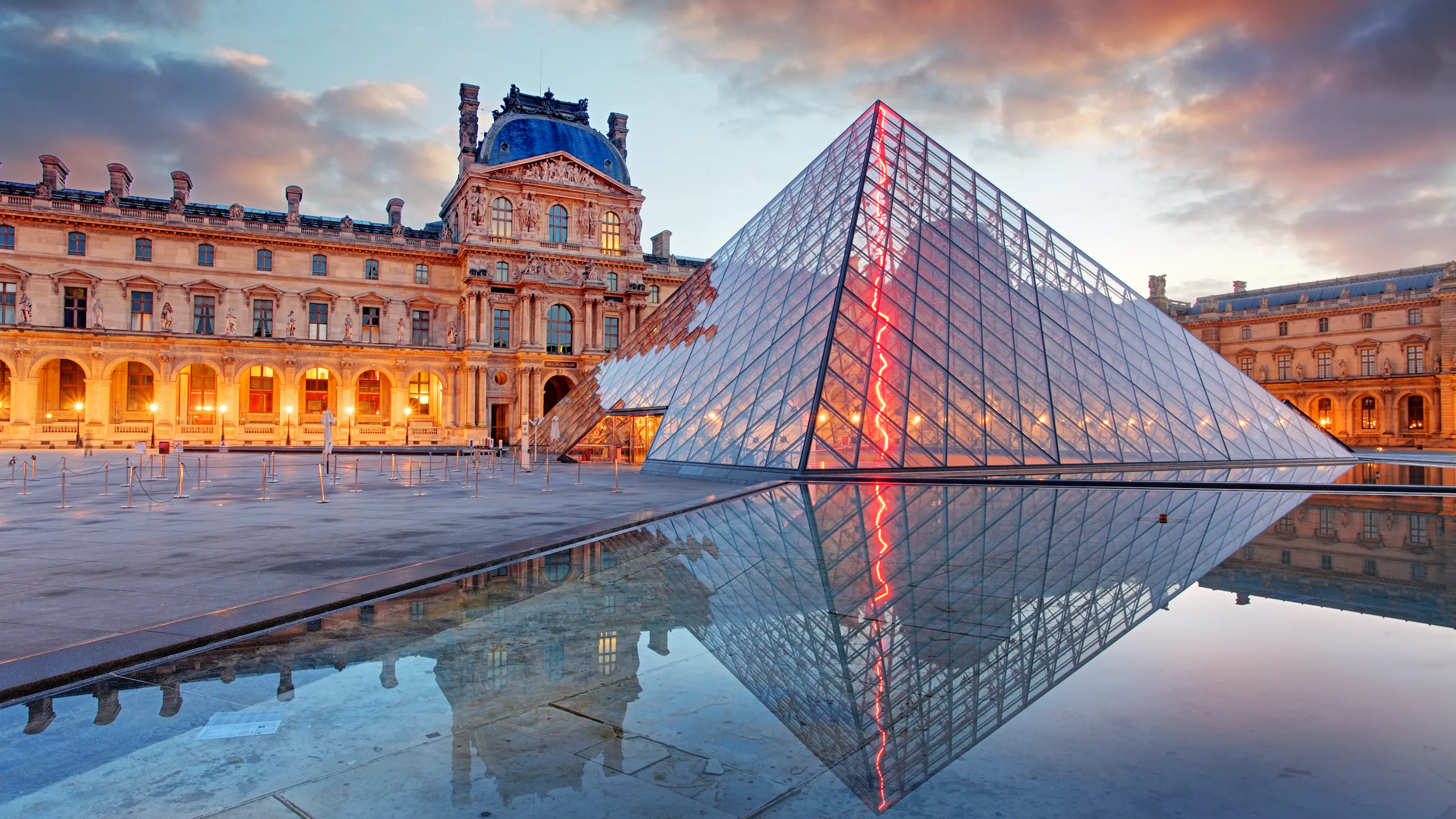
The displays are frequently refreshed, attracting over 10 million visitors annually from around the world. Leonardo da Vinci’s Mona Lisa captivates thousands of fans each day who wish to catch a glimpse of the iconic painting. It is a fortunate experience for anyone who can navigate through the large throng.
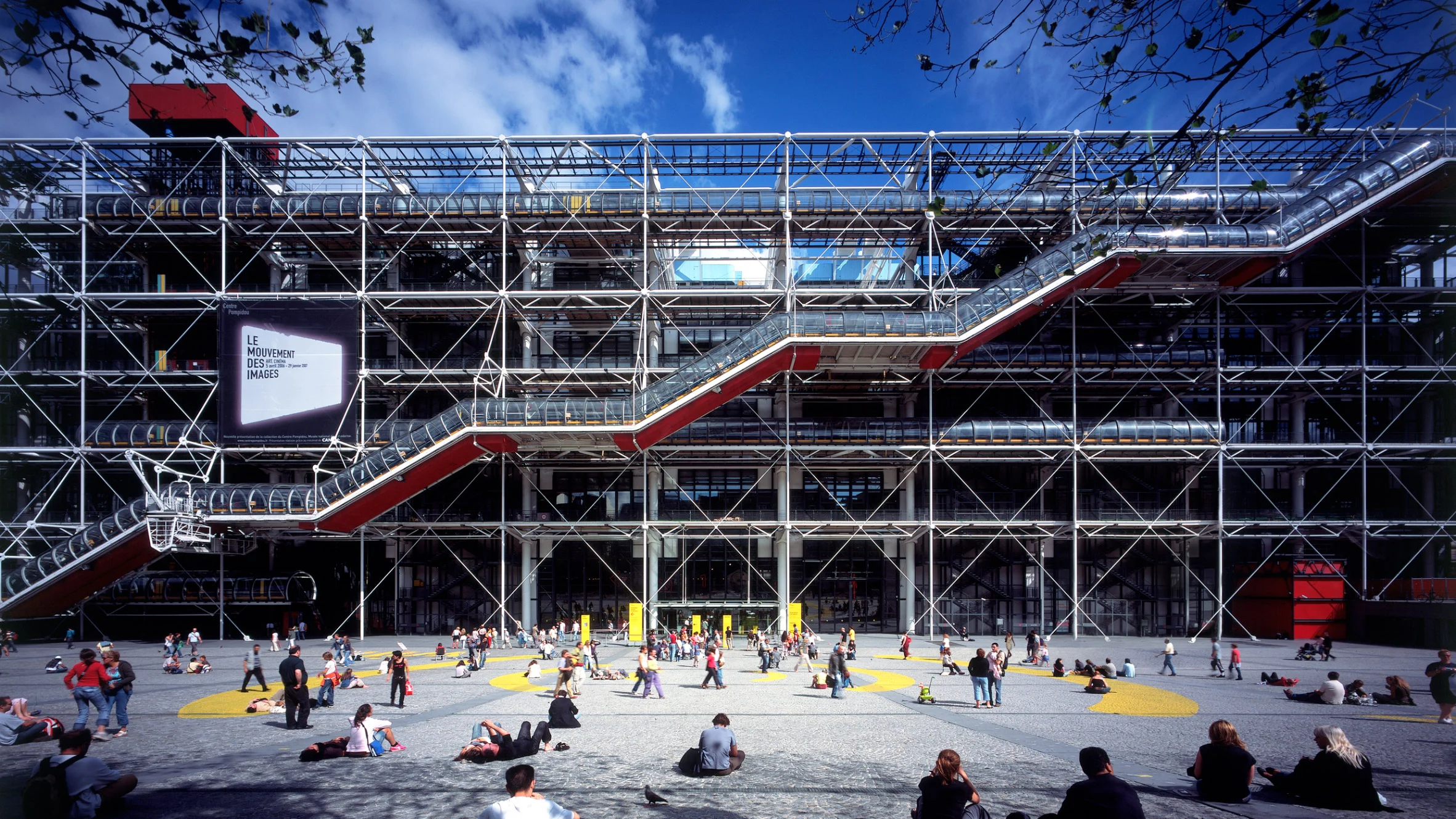
The Pompidou Centre appeals to enthusiasts of contemporary art. It was established to explore and promote various artistic forms, including dance, music, and diverse styles of visual art.
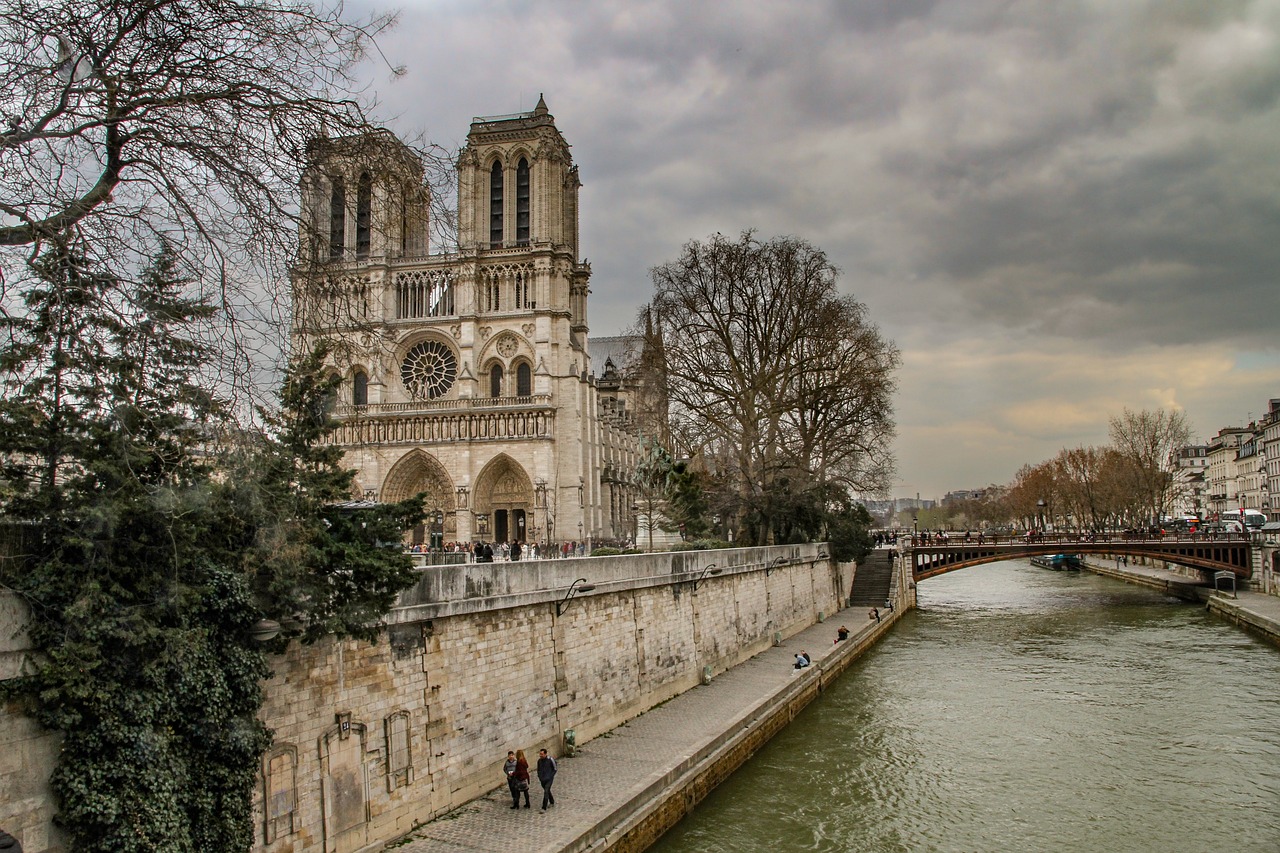
Three years ago, a sightseeing trip to Paris seemed incomplete without the famed Notre Dame de Paris. However, in spring 2019, a significant fire erupted, resulting in extensive damage to the wooden structures.
The roof was nearly entirely destroyed, and the spire from the 19th century was consumed by flames, although the two towers and stunning stained-glass windows survived intact, along with the organ, which suffered some structural harm due to the extinguishing foam.
Remarkably, the world-renowned sculptures of chimeras had been sent for restoration just five days before the fire. Approximately one-third of the artworks that had been housed in the cathedral for centuries were salvaged. This includes the Crown of Thorns, several sculptures, and notable paintings from the May series, which were also sent for restoration.
Currently, the cathedral is undergoing restoration. Preliminary estimates suggest that this process will extend beyond twenty years and require a minimum of €1 billion. Nevertheless, there is optimism that Notre Dame will resume its services in the years to come.
Provence
The peak of summer is the ideal period to visit this region as the lavender fields start to blossom towards the end of June. This magnificent display unfolds in waves and continues for a duration of one and a half months. Various areas of the region bloom at different times. Therefore, it is advisable to acquire a lavender bloom map from any travel agency in Provence to fully enjoy the aromatic symphony of this paradise.
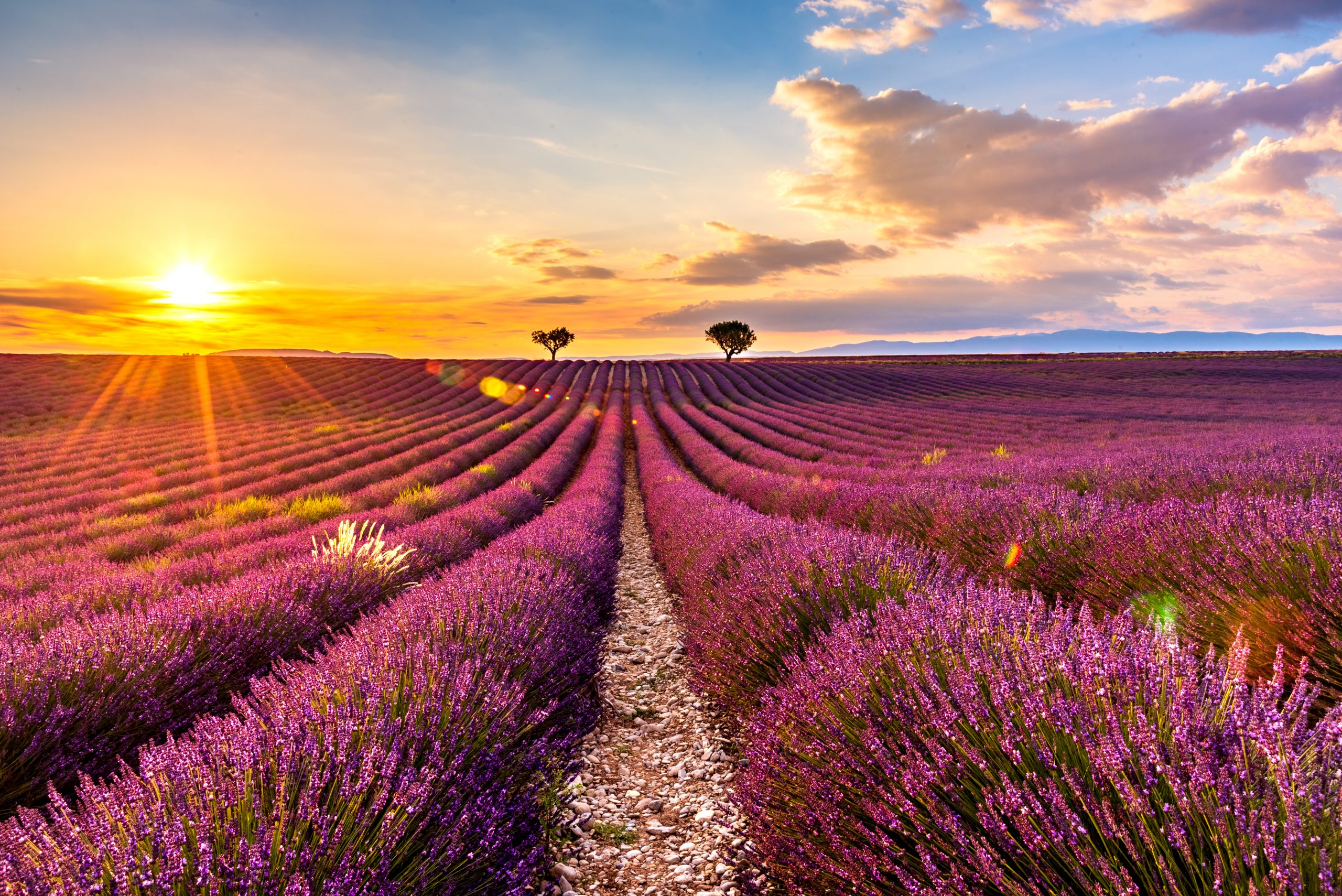
The Plateau de Valensole presents the most breathtaking sight, with ten fragrant lavender fields extending for kilometres across the landscape. This charming area in Alpes-de-Haute draws thousands of visitors during the blooming season. Locals organise lavender festivals featuring fairs and vibrant performances to entertain the attendees.
French Riviera (Côte d’Azur)
This coastline stretches along the southeastern Mediterranean. It boasts the finest climate found throughout France. There is no other location that offers such warm summers and mild winters.
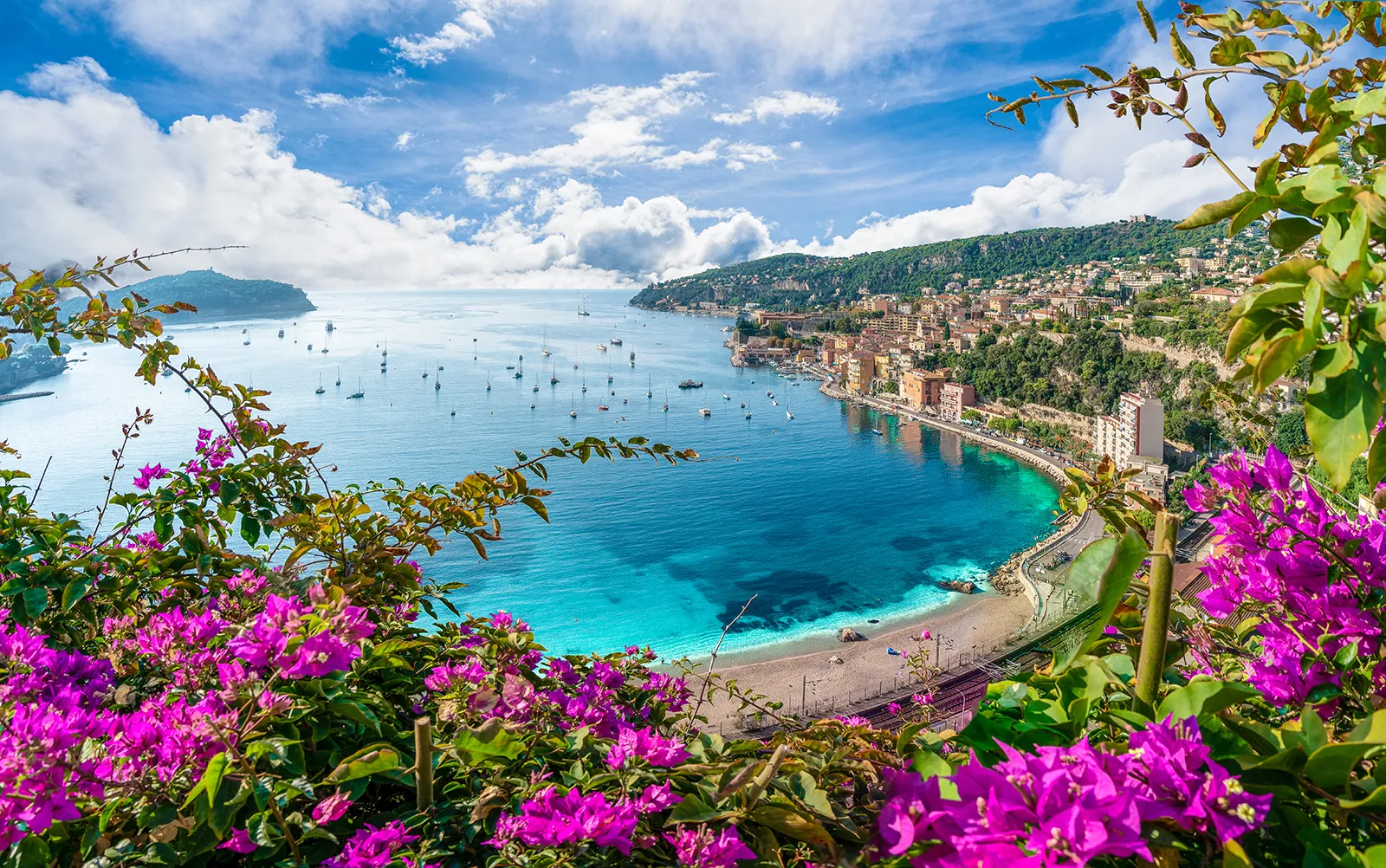
The fresh mountain air combined with sea breezes creates a rejuvenating environment where breathing feels particularly effortless. Côte d’Azur has remained one of Europe’s premier holiday destinations, though property prices reach unprecedented heights. The inconvenience of pebble beaches does not deter the yearly surge of visitors, including numerous globally renowned celebrities.
The most effective way to discover the highlights of the French Riviera is by renting a car and starting your journey from Nice. The capital of Côte d’Azur serves as the central hub for theatres and museums across the eastern part of France.
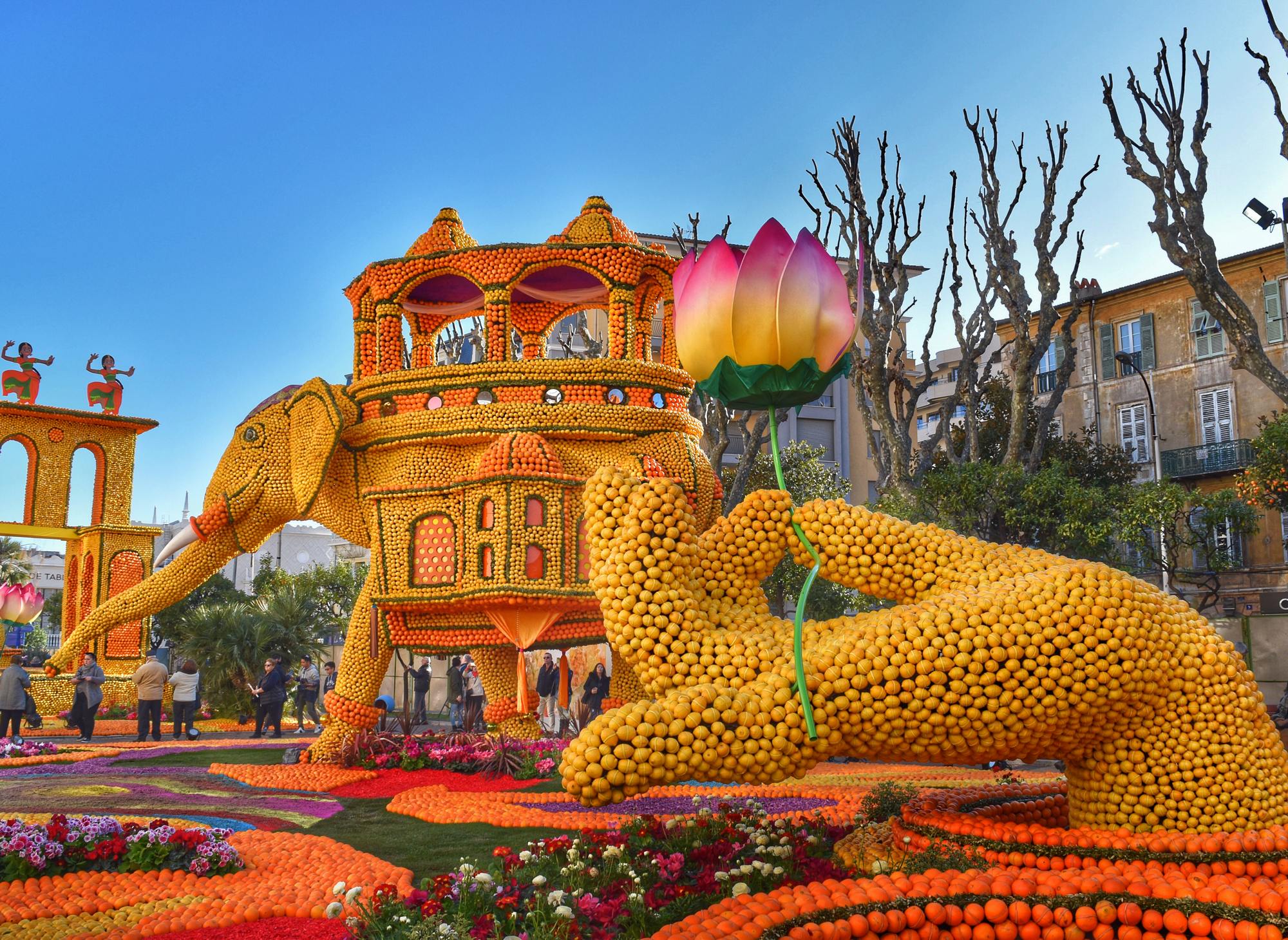
Menton is another essential destination. Its closeness to Italy has influenced various aspects: from nature and architecture to the way of life. The olive and citrus orchards, the architecture, and the character of the locals reflect a distinctly Italian way of living.
February is a particularly notable month here. The Fête du Citron, or Lemon Festival, takes place during this time, celebrating the lemons cultivated in Menton that produce fruit throughout the year.
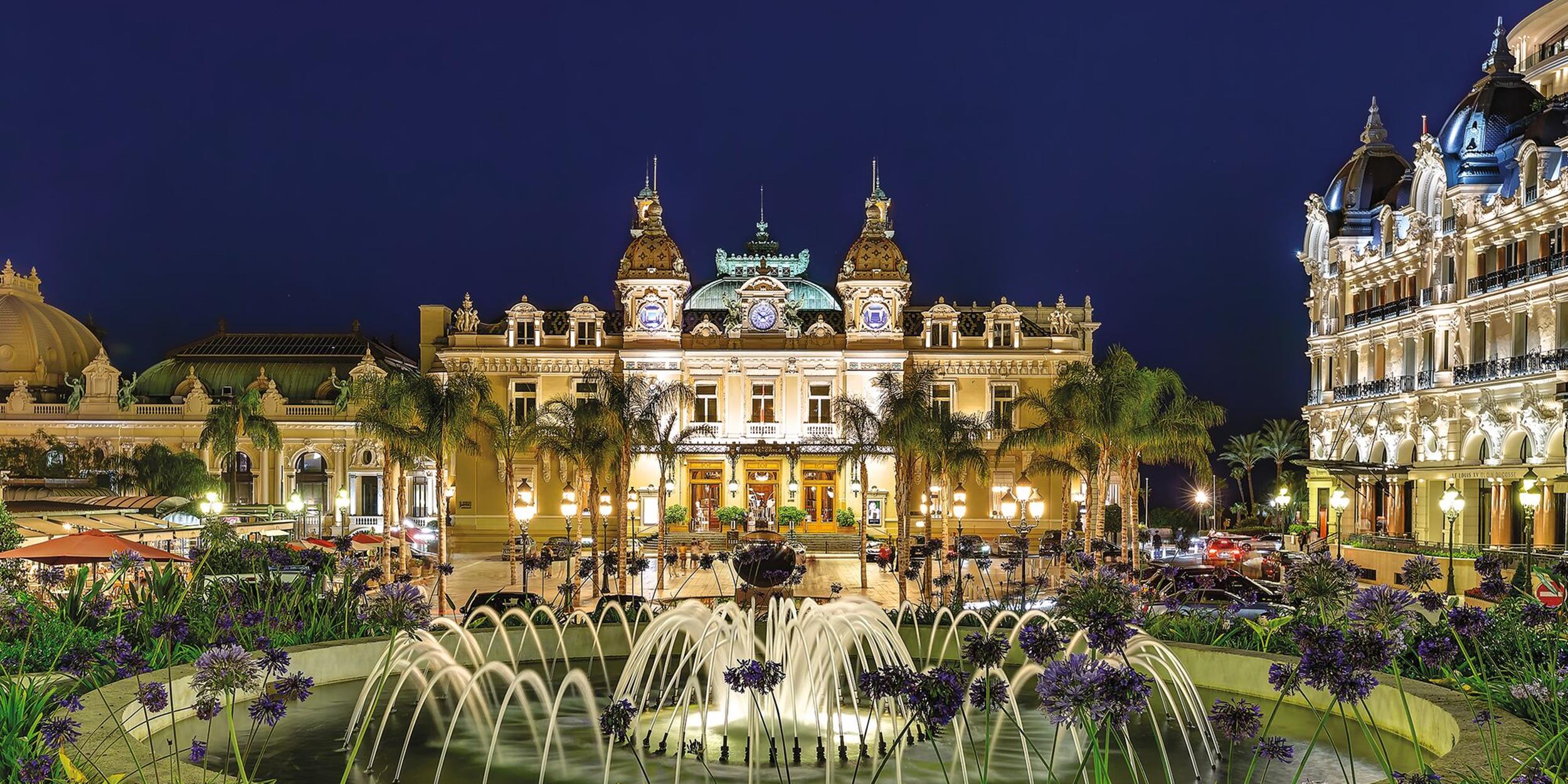
A gambler’s paradise lies just 20 km east of Nice. This is the Principality of Monaco, an enchanting city-state with a population of 40,000 residents. The local parks, streets, and squares resemble stunning works of art.
The European elite, captivated by gambling, flock to play poker or roulette in the casinos of Monaco. If you have a few hundred dollars, you might even find yourself lucky enough to outplay a celebrity rival.
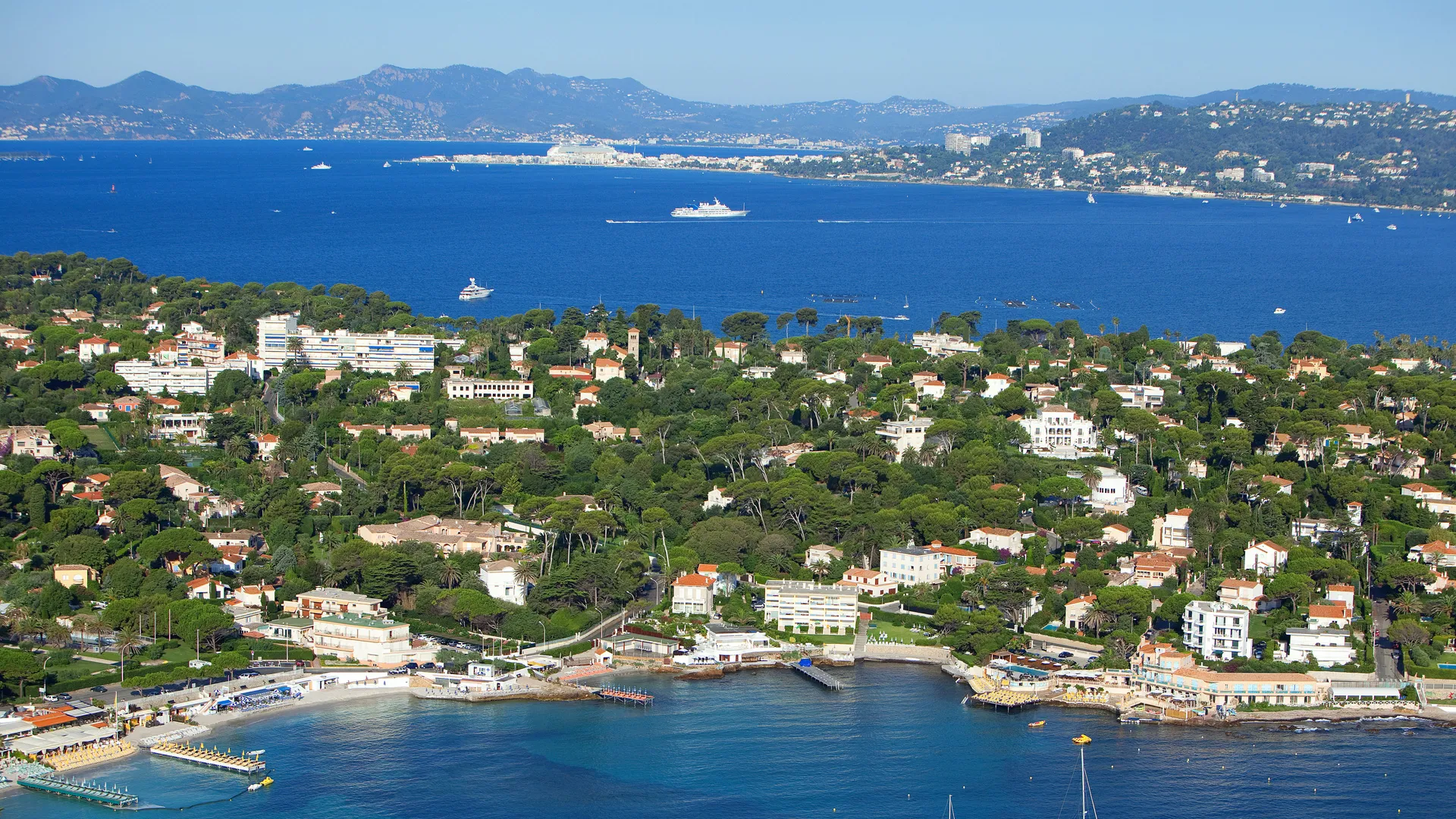
Cap d’Antibes is a beach destination and a rather upscale resort. Hotel and property prices are quite high. Nonetheless, the sandy beaches here are mainly public, meaning they are free to access. Furthermore, the beaches are impeccably clean and well-kept.
Local inhabitants often spend their weekends there enjoying picnics. You can relish your time with a basket filled with crispy French baguettes, cheese, fruit, and wine.
The other three cities on this route are Cannes, Saint-Raphaël, and Marseille (the second-largest city in France). The journey between these cities is an adventure in itself. You will encounter stunning red cliffs of the Massif de l’Esterel, charming villages with beautiful beaches, and the warmth of the local populace.
Fortresses
France is renowned for its castles. Each region boasts at least one monument showcasing medieval architecture. The Loir river valley is home to numerous examples of these structures. Furthermore, all castles have been restored and now invite visitors.
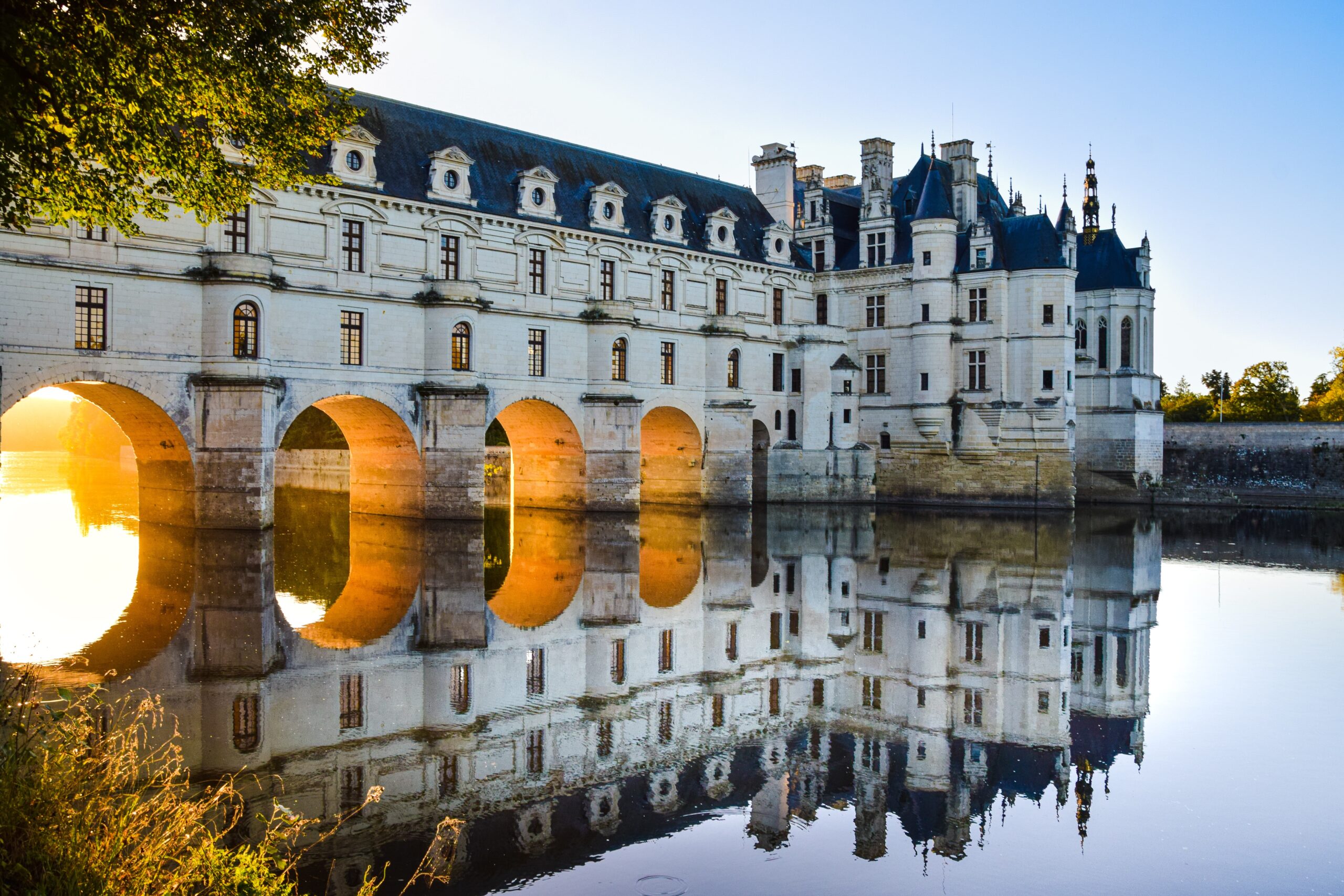
The most famous among them are Chenonceau, Blois, and d’Amboise. Constructed between the 10th and 14th centuries, they served as residences for families, hunting grounds, and fortifications for their royal owners.
Throughout history, these castles have changed hands multiple times and have endured numerous wars and three revolutions. Currently, they function as museums where the opulent interiors of royal households have been recreated.
Admission prices range from €5 to €20, depending on the type and duration of the visit. Access is available via high-speed train or bus from Paris.
Cuisine
No culinary tradition in the world exhibits such a pronounced stratification as that of French cuisine. It encompasses both folk and aristocratic elements.

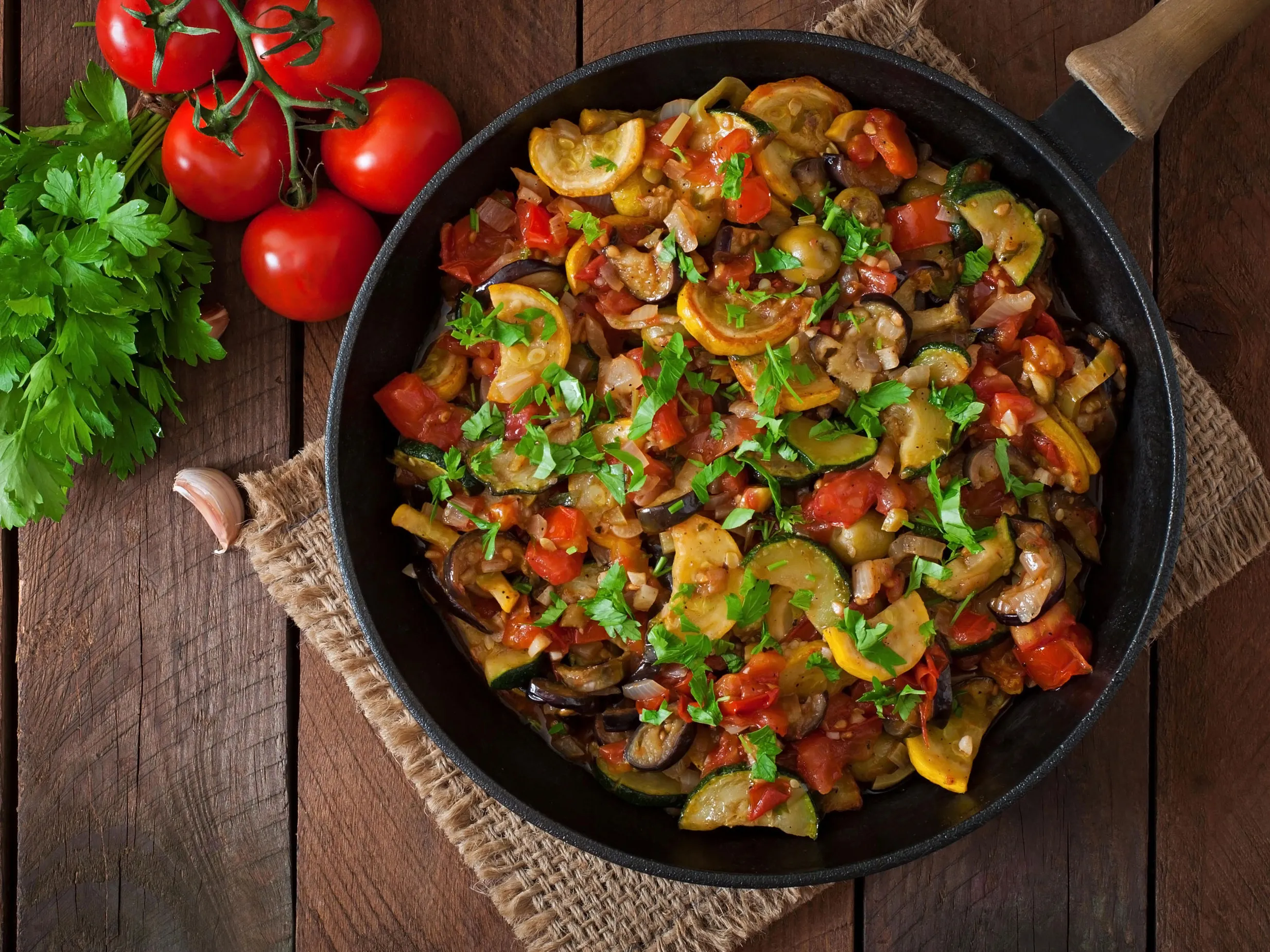
Folk cuisine focuses on hearty, simple, and economical meals. The fundamental approach is to combine available ingredients and cook them in an oven, pan, or skillet. A prime example is the French Provençal ratatouille, which consists of assorted fresh vegetables arranged in a baking dish for roasting.
In contrast, aristocratic cuisine presents a different scenario. The House of Bourbon set the standards for culinary trends in court cuisine. Chefs at the royal court competed to impress the monarchy, crafting elaborate sauces, salads, meat dishes, and delectable desserts.
Many of the aforementioned delicacies have endured through time. Sauces such as Béchamel, béarnaise, hollandaise, and velouté form the foundation of contemporary cooking, serving as accompaniments to numerous meat and fish dishes.
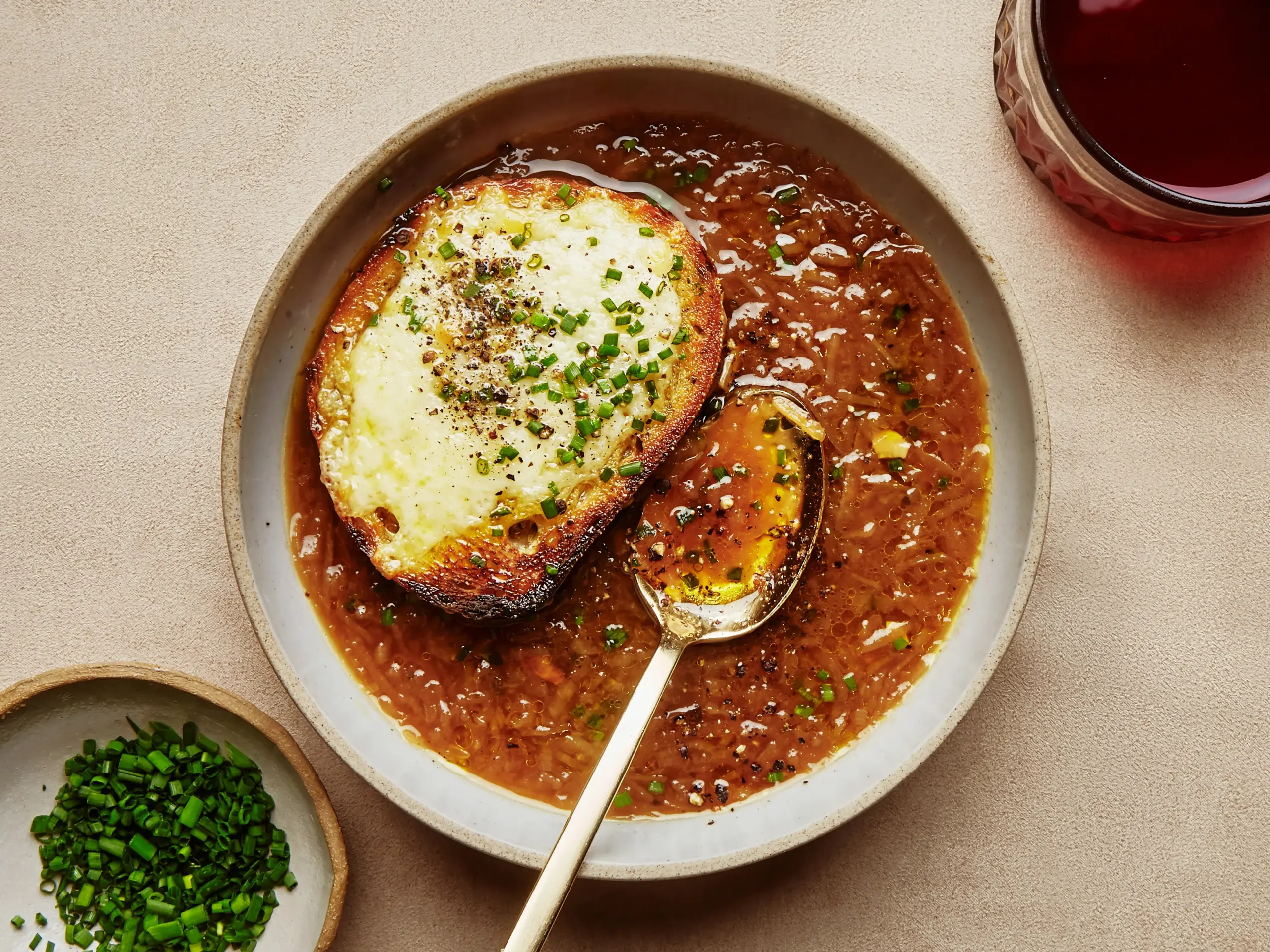
A notable legend of French cuisine is the onion soup, typically served as a distinct portion in a cooking pot. This soup is thick, hearty, and flavourful, usually prepared until the onions are caramelised. While it may appear straightforward to make, it requires considerable patience and skill.
There are two theories regarding its origin. The folk theory suggests that a Polish chef introduced the onion soup recipe. Conversely, the aristocratic theory claims that King Louis XIV prepared the soup himself when he discovered he was left without provisions and chefs at his hunting lodge.
Ultimately, the origin of French onion soup is of little consequence. It has remained a beloved dish in French households for centuries.
While in France, one cannot help but be intrigued by the local food culture. A typical dinner comprises seven courses, beginning with starters, followed by a serving of soup.
The main course follows, which is usually a meat or fish dish accompanied by a salad. A cheese platter and wine are also essential components of any meal.
The dining habits of the French can sometimes be surprising. They tend to dip everything into sauces, whether it be meat, fish, cheese, or bread.
Cookies, waffles, or toasts are meant to be lightly dipped into a cup of coffee without leaving greasy marks, crumbs, or pieces on the surface. Interestingly, even after rising to positions such as presidents, ministers, or bankers, true French individuals maintain these habits during formal or dinner gatherings. The practice of dipping remains unchanged, and while it may appear unrefined, the flavour is exceptional!
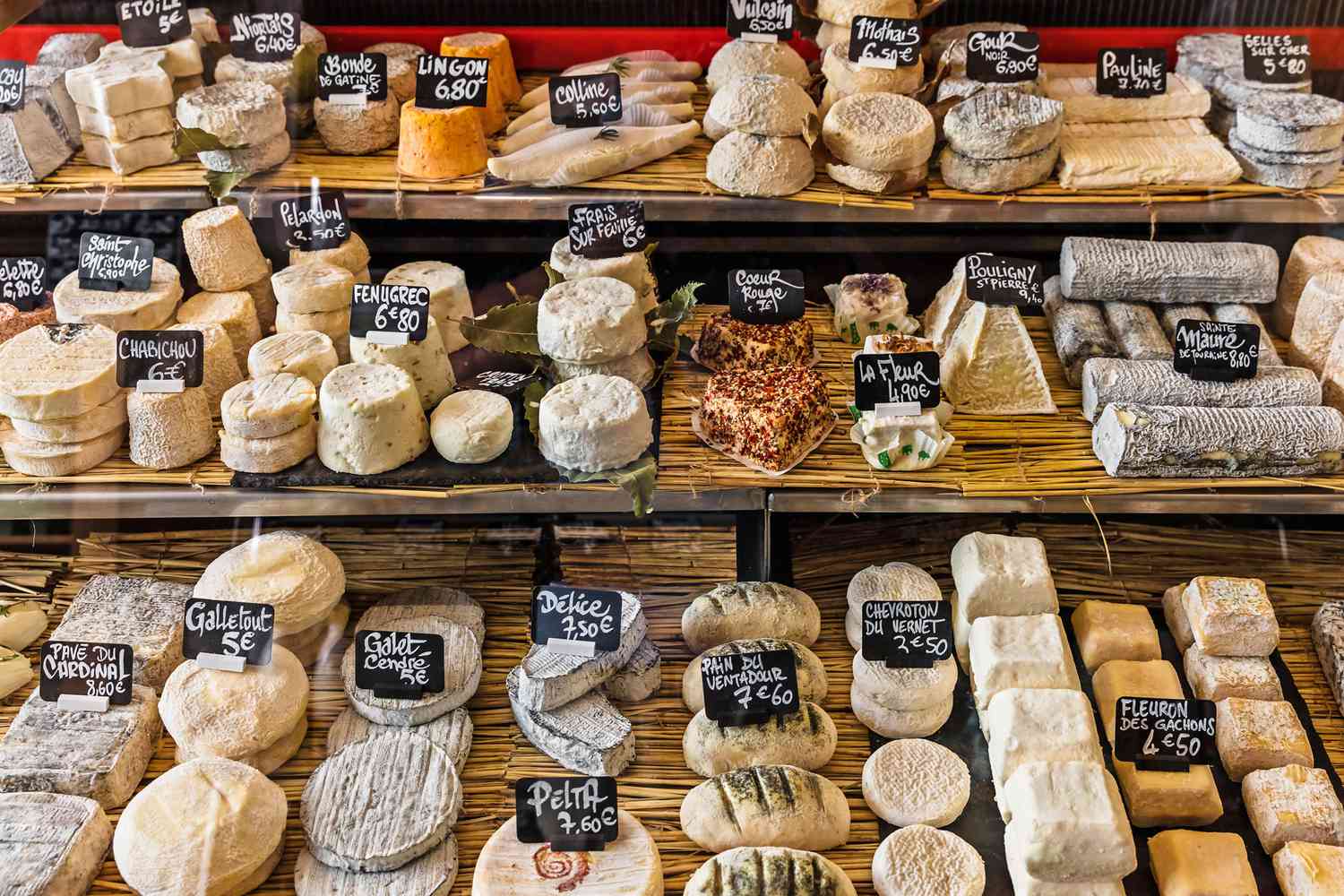
Cheeses and wines are a unique source of pride for the French, having been cultivated over centuries. More than 200 varieties of cheese have been developed. A platter of thinly sliced cheese, whether as a main dish or as an appetizer for guests, has long been a cherished delicacy.
Each region boasts its own renowned specialties. The southern region of France, bordering the Mediterranean near Italy, features a menu rich in fish and seafood. In contrast, areas farther from the coast tend to offer heartier fare, abundant in meat and vegetables.
Germany has significantly influenced the neighbouring region of Alsace, where the cuisine closely resembles German dishes. Locals enjoy hearty and rich meals such as potato and pork stew, sauerkraut, and flambéed fruit for dessert.
Conversely, the cuisine of Provence is characterised by a wide array of vegetable dishes. Vegetables are combined in unique ways and can be boiled, fried, roasted, or consumed raw.
French desserts have largely emerged from the refined aristocratic culinary tradition. Some, like macarons, have origins linked to Italy and England. Like scientists, court chefs pursued the creation of unique dishes, leading to the invention of choux pastry and exquisite desserts such as éclairs and profiteroles.
France serves as a global standard in numerous areas. French cheese and wine are regarded as the finest worldwide. French perfumes and cosmetics are truly unparalleled. Similarly, French literature, art, and architecture stand as jewels that enhance the heritage of humanity.
FAQ
What is the official designation of France?
The official designation of France is the French Republic (“République française” in French).
What is the total area of France?
France spans an area of roughly 643,801 square kilometres in Europe, making it the largest nation in the European Union by land area.
Which city serves as the capital of France?
The capital city of France is Paris.
What is the size of France’s population?
France has an estimated population of around 67 million individuals.
Which language is predominantly spoken in France?
The primary language spoken in France is French.
In which regions is French commonly spoken?
French is spoken in France as well as in numerous former French colonies and territories worldwide, including regions in Canada, Africa, the Caribbean, and Southeast Asia.
Does France exhibit a high level of diversity?
Yes, France is a culturally diverse nation with a variety of cultures, ethnic groups, and religions, primarily due to its historical immigration and colonial background.
What are the three main religions practiced in France?
The three predominant religions in France are Roman Catholicism, Islam, and Protestantism.
How would you assess the state of France’s economy?
France possesses one of the largest economies globally, recognised for its varied industrial sectors, agriculture, and tourism. Nevertheless, like many nations, it encounters economic difficulties, such as unemployment and public debt.
What currency is used in France?
The currency used in France is the Euro (EUR).
What motivated France to become a member of the EU?
France became a member of the EU (initially the European Coal and Steel Community, later the European Economic Community) to foster economic collaboration, avert conflict in Europe, and enhance relationships with neighbouring nations.
What type of government does France have?
France operates as a unitary semi-presidential republic, featuring an executive president and a prime minister.
Is France part of the Schengen Area?
Yes, France is included in the Schengen Area.
Will I require a visa to enter France?
Visa regulations for France vary based on your nationality. Citizens from EU countries, Schengen Area nations, and certain other countries can visit France without a visa for short durations.
What distinguishes French culture?
French culture is renowned for its impact on art, architecture (including iconic sites like the Eiffel Tower and the Louvre), philosophy, fashion, cuisine, literature, and cinema. The French focus on “joie de vivre,” culinary traditions, and its notable contributions to global culture are distinctive.
What are some of the most affordable and most expensive destinations in France?
Affordable destinations in France encompass smaller towns and rural regions, such as those found in Brittany, the Dordogne, and Normandy.
Is it currently safe to travel to France?
Overall, France is regarded as safe for visitors. However, it is always wise to review current travel advisories and take standard safety measures.

